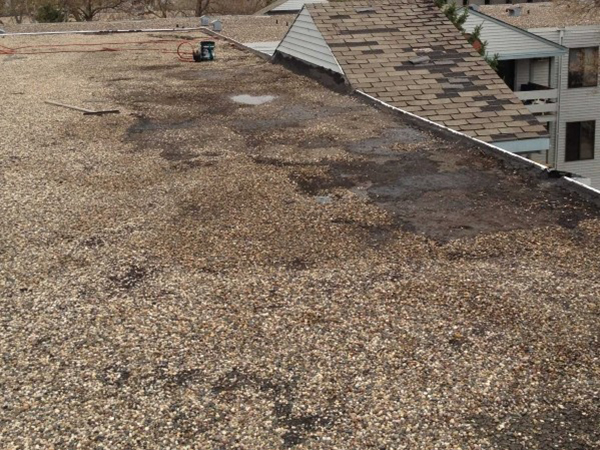
A commercial roof inspection in Dayton, OH should help a building owner understand current roof conditions before deciding on maintenance, repair, restoration, or replacement. A.H. Sturgill Roofing recommends at least an annual inspection, with additional evaluation when severe weather, new leaks, rooftop work, or other changes give the owner a specific reason to check the roof.
A.H. Sturgill Roofing has served commercial building owners since 1991. The company works with acrylic and silicone roof coatings, TPO, PVC, and EPDM single-ply systems, standing seam metal roofing, skylights, and general commercial roofing. The useful goal of an inspection is to document visible conditions, identify areas that need attention, and explain what may require further investigation.
When to Schedule a Commercial Roof Inspection in Dayton
An annual inspection provides a regular condition checkpoint. Beyond that baseline, timing should follow the roof and what has happened to the building. Dayton roofs are exposed to rain, snow, ice, hail, wind, and freeze-thaw conditions, so severe weather or a change in roof performance can justify an additional visit.
| Reason to Inspect | What the Inspection Can Clarify |
|---|---|
| Annual condition check | Whether visible seams, flashing, penetrations, drainage areas, roof edges, and surface conditions have changed since the prior review. |
| After severe hail, wind, or other weather | Whether there is visible impact damage, displaced material, punctures, open details, debris, or another condition that needs follow-up. |
| New interior stain or active leak | Which roof areas or details may be related to the water entry and whether further moisture investigation is needed. |
| Before or after rooftop equipment work | Whether new penetrations, foot traffic, equipment supports, or service work affected the roof surface or flashing. |
| Property transaction or capital planning | What visible roof conditions should be considered when planning future roofing work or budgeting for repairs. |
If a stain or leak has already appeared inside the building, the visible location does not necessarily identify the roof entry point. Water can travel within an assembly before it becomes visible indoors, so the inspection should trace the condition rather than assume the nearest roof detail is the cause.
What an Inspector Reviews on a Flat or Low-Slope Roof
A useful commercial inspection looks at the roof as a system instead of limiting the review to one reported problem area. Depending on the roof type and safe access conditions, the contractor may review:
- Roof surface: punctures, cracks, blisters, worn areas, coating changes, or other visible deterioration appropriate to the system.
- Seams and laps: open, lifting, separated, or otherwise changed joints on membrane systems.
- Flashing and roof edges: wall transitions, parapets, curbs, perimeter details, and other locations where movement or weather can affect watertightness.
- Penetrations: pipes, vents, conduit, supports, skylights, and equipment curbs where the roofing system is interrupted.
- Drainage: drains, scuppers, gutters, low areas, debris, and visible signs that water is not moving as intended.
- Rooftop equipment areas: service paths and equipment zones where foot traffic or other trades may have affected the roof.
- Interior evidence: accessible stains, damp materials, or other observations that may help narrow the investigation.
Standing water deserves attention, but it should not be treated as proof of one specific defect. Debris, outlet conditions, low areas, settlement, slope, or other building conditions can contribute. Sturgill’s Dayton flat roof repair information provides related context for repair decisions involving seams, flashing, and drainage-related conditions.
Inspection Priorities Change by Roof System
Different commercial roofing systems have different details to review. The table below lists common inspection priorities, not a universal diagnosis or repair specification.
| Roof System | Typical Areas of Attention |
|---|---|
| TPO and PVC | Seams, flashing terminations, punctures, attachment conditions, penetrations, and traffic areas. |
| EPDM | Seams, flashing, edge conditions, punctures, and visible movement or changes in the membrane. |
| Acrylic or silicone coated roof | Surface wear, adhesion concerns, cracks, damaged areas, penetrations, and conditions beneath or around repairs where visible. |
| Standing seam metal | Panel seams, fasteners or clips where applicable, sealant, penetrations, edges, corrosion, and loose or damaged components. |
| Skylights | Flashing, curbs, glazing condition, visible seal issues, and surrounding roofing details. |
What to Expect on Inspection Day

Before the visit, share known leak locations, prior repair records, roof plans if available, and information about recent rooftop work. Access restrictions, locked hatches, tenant spaces, and equipment areas should also be identified so the contractor understands what can be reviewed safely.
Ask what documentation is included in the agreed inspection scope. Depending on the service, that may include written findings, photographs, marked locations, repair priorities, or recommendations for additional investigation. Sturgill’s commercial roof inspection report article provides additional guidance on useful report contents, but the actual deliverables for a specific inspection should be confirmed before the visit.
What Happens After the Inspection
Inspection findings may lead to several different next steps. A localized defect can support a defined repair. An active leak may require closer tracing, and Sturgill’s Dayton commercial roof leak repair information covers that separate repair path.
Stable conditions or routine upkeep items can be incorporated into a maintenance plan. Sturgill’s Dayton roof maintenance page addresses ongoing care, while the Dayton roofing management guide focuses on records, priorities, and longer-term planning.
If the inspection suggests broader deterioration, suspected moisture, substrate concerns, or repeated failures across several roof areas, the contractor may recommend further investigation before a larger repair, restoration, or replacement scope is selected. The inspection should explain what is observed and what remains uncertain rather than treating every concern as a confirmed replacement condition.
Commercial Roof Inspection in Dayton, OH
A.H. Sturgill Roofing serves commercial properties throughout the Dayton area. A commercial roof inspection can establish a current condition baseline, identify visible repair priorities, and help a property owner decide whether routine maintenance, targeted repair, additional investigation, or a larger roofing project should be considered.
Contact A.H. Sturgill Roofing at (937) 254-2955 or through the company’s contact page to discuss the roof and the inspection scope appropriate for the building.
Frequently Asked Questions
How often should a commercial roof be inspected in Dayton?
A.H. Sturgill Roofing recommends at least an annual inspection. Additional checks may be appropriate after severe weather, new leaks, rooftop work, or other changes that could affect the roof.
Do I need an inspection if the roof is not leaking?
Yes, an inspection can document visible changes in seams, flashing, drainage, penetrations, or surface condition before an interior leak becomes the first sign of a problem.
Should I get a roof inspection before buying a commercial building?
An inspection can provide useful condition information for planning and budgeting, but the scope should be matched to the transaction and any requirements from the buyer, lender, insurer, or other parties.
Do I need to be on the roof during the inspection?
No. Building staff can provide leak history, access information, and prior records while trained roofing personnel handle roof access and close evaluation.