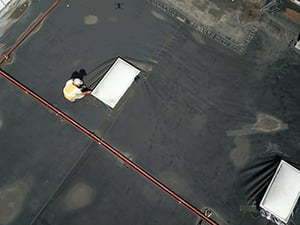
A commercial roof inspection should leave a Kettering, OH building owner with more than a verbal summary. A useful inspection record should show what was reviewed, what was found, what remains uncertain, and what evidence supports the next maintenance, repair, restoration, or replacement decision. A.H. Sturgill Roofing provides commercial roof inspection services in the Kettering area. For help scheduling an inspection, call (937) 254-2955.
Scheduling A Commercial Roof Inspection
Inspection timing should reflect the roof system, age, condition, repair history, rooftop activity, weather exposure, and any written maintenance requirements. An additional inspection may be appropriate after severe weather, a new leak, a change in drainage, or another documented condition change. Regular roof inspections can also create a useful condition history so an owner can compare one visit with the next.
A.H. Sturgill Roofing also has a Kettering roof inspection page for owners looking for location-specific service information. This article focuses on the evidence an inspection should provide after the roof has been reviewed.
What a Useful Inspection Report Includes
A strong report should separate confirmed observations from unresolved conditions. The exact format can vary by contractor, so the table below is a practical outline of the information an owner should ask to receive rather than a promise that every A.H. Sturgill report uses this exact format.
| Report Section | What It Should Document | How It Supports a Decision |
|---|---|---|
| Inspection scope | Inspection date, roof areas reviewed, roof type when known, access limits, and relevant weather or site conditions | Shows what the inspection covered and what may still need review |
| Dated photos | Photos tied to roof locations or recognizable details when practical | Creates a condition baseline for repair planning and future comparison |
| Defect locations | Locations of seams, flashing, penetrations, drains, membrane damage, or other observed defects | Lets a repair scope connect directly to documented findings |
| Moisture findings and limits | What visible inspection or any screening method indicates and what concealed conditions remain unknown | Prevents suspected moisture from being treated as confirmed damage |
| Prioritized actions | Items grouped into prompt work, planned work, monitoring, or further investigation | Helps the owner budget and sequence the next steps |
| Reinspection triggers | Events such as severe weather, a returning leak, completed repairs, or a monitored condition changing | Shows when another review is justified without relying on one universal interval |
Finding Roof Leaks

A roof can leak before water becomes visible inside the building, and an interior stain does not identify the entry point by itself. Water can travel through insulation, along the deck, or around rooftop details before it appears. A thorough inspection should therefore compare interior symptoms with seams, flashings, penetrations, drainage, and other roof conditions rather than assuming the defect is directly above the stain.
If the inspection identifies an active leak, A.H. Sturgill Roofing’s commercial roof leak repair page for Kettering covers that separate repair question.
Thermal imaging or moisture scanning may be used on some commercial roof investigations. These methods can identify areas that deserve closer attention, but a thermal anomaly is screening evidence rather than proof of concealed wet insulation. If a screening result could change the repair, restoration, or replacement scope, the report should state whether additional confirmation is needed and what project-specific follow-up is appropriate.
Who Receives the Report and How It Becomes an Estimate
The report should go to the person responsible for approving roof work, such as the owner, property manager, or facilities lead. Keeping a copy with the building records also helps later inspections start with documented history rather than from memory.
A scoped estimate can then connect proposed work to specific findings. It should identify the areas being addressed, the proposed work, important exclusions, and any unresolved condition that could change the scope. The report supports the estimate, but it does not automatically decide that repair, restoration, or replacement is required. That decision should follow the documented roof condition.
Roof Restoration
Roof restoration can be considered when the existing roof remains a suitable base for the proposed system. Suitability depends on roof condition, moisture, drainage, substrate condition, compatibility, and the repairs required before restoration. Saturated insulation, damaged decking, widespread failure, or other unresolved conditions may require corrective work or a different scope first.
For location-specific restoration information, see A.H. Sturgill Roofing’s roof restoration page for Kettering.
Fast Response Times
When an inspection identifies a condition that needs prompt attention, the report should make that priority clear. Scheduling still depends on the roof condition, weather, access, materials, and the scope of work, so no single response time applies to every project. A documented inspection helps the owner communicate what needs attention and why.
A.H. Sturgill Roofing’s project gallery provides examples of commercial roofing work. The inspection record remains the starting point for deciding what work is appropriate on the roof being evaluated.
Call Us Today!
For a commercial roof inspection in Kettering, OH, call A.H. Sturgill Roofing at (937) 254-2955. A useful inspection should leave you with enough evidence to understand current conditions and decide whether the next step is maintenance, localized repair, restoration, additional investigation, or replacement planning. Contact A.H. Sturgill Roofing to get started.
Frequently Asked Questions
What should I receive after a commercial roof inspection?
A useful report should document the inspection scope, dated photos, defect locations, moisture limitations, prioritized actions, and clear triggers for another review.
Is a thermal scan enough to confirm a wet roof?
No. A thermal anomaly is screening evidence. If it could change the work scope, it should be interpreted in context and followed by an appropriate project-specific confirmation method when needed.
Who should receive the inspection report?
The owner or person responsible for approving roof work should receive it. Property managers, facilities leads, contractors, or other parties may also need the report depending on the project.
How does an inspection report help with an estimate?
It lets the proposed work be tied to documented locations and findings, while also identifying exclusions and unresolved conditions that could change the scope.