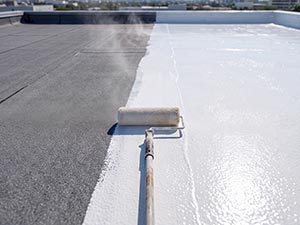
Commercial buildings in Kettering, OH face year-round exposure to rain, snow, temperature changes, and ultraviolet rays. Over time, these conditions can wear down vulnerable areas of a flat roof and increase the risk of moisture intrusion. Flat roof sealing helps reinforce the roof’s protective surface, address developing concerns, and prevent minor issues from leading to more costly repairs.
For more information, read our guide to EPDM roofing in Kettering.
A.H. Sturgill Roofing handles flat roof sealing in Kettering, OH. Call (937) 254-2955 to determine whether sealing is the right solution for your commercial roof.
Proper flat roof sealing can strengthen weather protection, extend roof life, and help reduce the need for more extensive repairs in the future.
What Is Flat Roof Sealing?

Flat roof sealing is a maintenance service that targets areas where water is most likely to enter a commercial roofing system. Rather than covering the entire roof with a new coating or replacing the existing membrane, sealing focuses on repairing and reinforcing vulnerable details that commonly experience wear over time.
This service is often recommended when the roof membrane remains in good overall condition but has isolated areas that need attention. By sealing these locations, building owners can reduce the risk of leaks while extending the life of the existing roof.
Unlike a full roof coating system, which creates a protective layer across the entire roof surface, flat roof sealing concentrates on specific components that require additional protection. It also differs from roof replacement because the existing roofing system remains in place. As a result, sealing can be a practical option for commercial property owners who want to preserve a roof that still has years of useful service remaining.
How the Flat Roof Sealing Process Works
Every successful sealing project begins with a detailed roof inspection. During this evaluation, roofing professionals look for open seams, deteriorated flashing, cracks around roof penetrations, drainage concerns, and other signs of wear that may allow water to enter the building.
After identifying the affected areas, the roof is cleaned so the sealing materials can properly bond to the existing surface. Dirt, loose debris, and contaminants must be removed before any repairs begin. Preparing the surface helps create a longer-lasting seal.
Once preparation is complete, the appropriate sealing materials are applied to the areas requiring attention. Commercial flat roofs often use acrylic or silicone sealing products because they remain flexible and help resist weather exposure. The exact product depends on the roof’s condition and membrane type.
Throughout the process, special attention is given to details that experience the greatest amount of movement or water exposure. A careful application helps create a watertight barrier while supporting the overall performance of the roofing system.
Areas That Commonly Need Flat Roof Sealing
Certain parts of a commercial flat roof experience more stress than others. Roof seams are one of the most common locations because repeated expansion and contraction can gradually weaken the joints. Sealing these seams helps prevent water from entering beneath the roofing membrane.
Flashings also require regular attention. Flashing is the material installed where the roof meets walls, curbs, or rooftop equipment. Because these transitions involve multiple materials, they are more susceptible to movement and weather-related wear.
Roof penetrations, including vents, pipes, HVAC units, and electrical conduits, are additional areas where leaks often develop. Proper sealing around these components helps maintain a continuous barrier against moisture.
Drainage areas should also be inspected carefully. Drains that collect standing water or show signs of deterioration can allow moisture to remain on the roof longer than intended. Addressing these details during the sealing process helps improve drainage performance while reducing the likelihood of future leaks.
Flat roof sealing can be performed on many commercial roofing systems, including TPO, EPDM, PVC, modified bitumen, and built-up roofing. Each roof type requires compatible materials and application methods to achieve reliable results.
How Long Does a Sealed Flat Roof Stay Protected?
The lifespan of a sealed flat roof depends on several factors, including the roof’s age, existing condition, weather exposure, and the quality of the installation. A properly completed sealing project can provide protection for several years, especially when supported by routine inspections and preventive maintenance.
Regular roof evaluations help identify new areas of wear before they become significant problems. Addressing small issues early often reduces repair costs and helps preserve the roof’s overall condition for a longer period.
Protect Your Kettering Commercial Roof
Flat roof sealing gives commercial property owners a practical way to reinforce vulnerable areas without the cost and disruption of a complete roof replacement. Addressing seams, flashing, penetrations, and other problem areas can improve water resistance, preserve the existing roofing system, and help extend its service life.
A.H. Sturgill Roofing specializes in flat roof sealing in Kettering, OH. Call (937) 254-2955 today to determine whether sealing is the right solution for your commercial roof.
Proper sealing can strengthen roof protection, reduce the risk of moisture-related damage, and help property owners get more value from their existing roofing system.
FAQ
What is the difference between flat roof sealing and a roof coating?
Flat roof sealing focuses on repairing and protecting specific problem areas, such as seams, flashing, and penetrations. A roof coating covers the entire roof surface with a protective layer to provide broader weather resistance.
Which parts of a commercial flat roof usually need sealing first?
Seams, flashing, roof penetrations, drains, and transitions between roofing materials are typically the first areas to show wear because they experience movement and repeated exposure to moisture.
How long does flat roof sealing usually last?
The lifespan varies depending on the roof’s condition, weather exposure, and maintenance schedule. Regular inspections and timely repairs help maximize the protection provided by a sealing project.