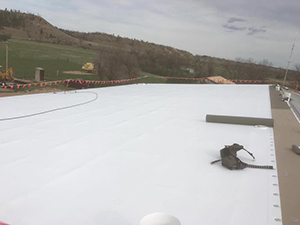
For commercial property owners in Tipp City, OH, maintaining a watertight roofing system is essential to protecting operations, inventory, and structural integrity. One of the most overlooked threats to commercial buildings is ponding water. When standing water is left unaddressed, it often leads to avoidable commercial roof repairs, membrane deterioration, and unexpected downtime. Acting early can significantly reduce long-term damage and repair costs.
Ponding water typically develops on flat or low-slope commercial roofs when drainage systems fail to move water away efficiently. While small amounts of temporary pooling may not seem serious, prolonged exposure can weaken roofing materials and strain structural components, increasing the need for commercial roof repairs over time.
A.H. Sturgill Roofing handles professional commercial roof repairs for businesses in Tipp City, OH. Call (937) 254-2955 to schedule an inspection and address ponding water issues before they escalate.
How Ponding Water Leads to Commercial Roof Repairs
Understanding the root causes of ponding water helps building owners prevent long-term damage.
Poor Drainage Design or Blockages
Commercial roofs rely on internal drains, scuppers, and gutters to direct water away. When debris such as leaves, dirt, or storm materials clog these systems, water has nowhere to go. Improper roof slope or sagging sections can also prevent adequate drainage.
Structural Settling
Over time, buildings may settle, causing subtle depressions in the roof deck. These low spots collect water during rainfall. Even minor structural shifts can create areas where water consistently accumulates.
Membrane Deterioration
As roofing materials age, seams may separate and insulation may compress. These conditions can create uneven surfaces that promote water pooling.
Regardless of the cause, ponding water should never be ignored. The longer it remains, the greater the risk of damage.
Ponding Water Damage

Ponding water affects commercial roofing systems in several destructive ways, leading directly to costly commercial roof repairs.
Accelerated Membrane Breakdown
Most commercial roofing membranes are designed to resist water, but they are not intended to hold standing water for extended periods. Continuous exposure softens materials, weakens seams, and increases the likelihood of punctures or splits.
UV exposure combined with standing water intensifies deterioration. The constant wet-dry cycle stresses the membrane and shortens its lifespan.
Increased Structural Load
Water is heavy. Just one inch of standing water over a large roof area can add thousands of pounds of weight. This added load stresses the roof deck and support structures. Over time, this pressure can cause sagging or even compromise structural integrity.
Insulation Saturation
When water penetrates small openings in the membrane, it saturates insulation layers beneath. Wet insulation loses its thermal resistance, leading to higher heating and cooling costs. Moisture trapped inside the roofing system can also promote mold growth and interior damage.
Freeze-Thaw Damage
In climates like Tipp City OH, temperature fluctuations worsen the problem. Trapped water can freeze and expand, widening cracks and creating additional entry points for moisture. Repeated freeze-thaw cycles significantly accelerate roof deterioration.
The Financial Impact of Delayed Repairs
Ignoring ponding water doesn’t make it disappear, it increases long-term repair costs.
Escalating Repair Scope
What may start as a small drainage concern can quickly lead to membrane replacement, insulation removal, and even structural repairs. Addressing ponding water early is far more cost-effective than dealing with widespread water damage later.
Operational Disruptions
Leaks caused by ponding water can damage equipment, inventory, and office spaces. Business interruptions often result in lost revenue and strained tenant relationships.
Reduced Roof Lifespan
Consistent standing water shortens the overall lifespan of a commercial roofing system. Premature roof replacement represents a significant financial burden compared to targeted repairs and drainage improvements.
Preventing Ponding Water and Future Repairs
Commercial building owners can take proactive steps to reduce the risk of ponding water and minimize the need for extensive commercial roof repairs.
- Keep drainage systems clear of debris
- Address low spots or sagging areas promptly
- Repair membrane damage immediately
- Consider adding tapered insulation to improve slope
- Schedule professional evaluations after heavy storms
Early detection and corrective action preserve both the roof and the building’s structural health.
In many cases, solutions such as improved drainage design or reinforcing low-slope sections can permanently resolve chronic ponding issues. Investing in preventive measures today protects your budget tomorrow.
Reliable Commercial Roof Repairs
Ponding water may seem minor at first, but over time it can create serious issues for commercial properties. Prolonged standing water weakens roofing materials, stresses seams, and accelerates deterioration, often resulting in avoidable commercial roof repairs. Understanding these risks allows building owners to respond early and protect their investment before damage spreads.
A.H. Sturgill Roofing provides professional commercial roof repairs and drainage evaluations for properties in Tipp City, OH. Call (937) 254-2955 to schedule an inspection and resolve pooling concerns with effective, long-term solutions.
FAQ
How long is it safe for water to remain on a commercial roof?
Water that remains longer than 48 hours after rainfall may indicate a drainage issue that requires attention.
Can ponding water cause structural damage?
Yes. The added weight of standing water can stress the roof deck and supporting framework over time.
Does ponding water affect energy efficiency?
If water infiltrates insulation, it reduces thermal performance and increases heating and cooling costs.
What are common solutions for chronic ponding issues?
Improving drainage systems, adding tapered insulation, and repairing membrane damage are common corrective measures.