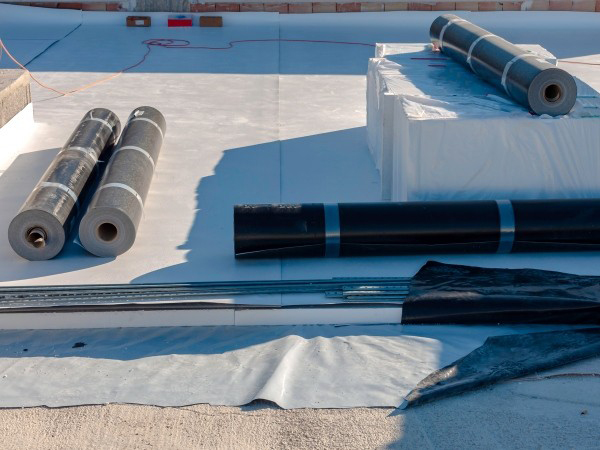
Choosing a single-ply roofing system for a commercial building in Fairfield, OH usually means comparing TPO, PVC, and EPDM against the building’s actual conditions. Roof use, drainage, rooftop traffic, chemical exposure, insulation, attachment requirements, and long-term maintenance all matter more than simply choosing the membrane that is most familiar.
A.H. Sturgill Roofing installs TPO, PVC, and EPDM systems for commercial properties in its approved Ohio service area. Building owners can call (937) 254-2955 to discuss which single-ply assembly should be evaluated for a specific facility.
Start With the Existing Roof and Building Use
Before comparing membrane types, document the roof deck, insulation, drainage, rooftop equipment, access, and any known moisture or leak history. The right system for a warehouse may not be the right system for a restaurant, school, office, or industrial facility.
A professional roof inspection can help define those conditions before a final specification is selected. The goal is to match the membrane and complete roof assembly to the building rather than make the decision from material name alone.
TPO: Reflective and Common on Commercial Roofs

TPO, or thermoplastic polyolefin, is a single-ply membrane commonly used on flat and low-slope commercial buildings. Many TPO products use light-colored surfaces and heat-welded seams.
A reflective surface can reduce roof-surface heat gain compared with darker materials, but it does not guarantee a specific change in utility costs. Insulation, HVAC performance, air leakage, building use, roof area, and climate also affect energy performance.
PVC: Useful Where Chemical Exposure Matters
PVC, or polyvinyl chloride, is another thermoplastic single-ply membrane with heat-welded seams. It is often considered for buildings where rooftop grease, oils, or certain chemical exposures are part of normal operations.
That does not mean PVC is automatically the right choice for every restaurant or industrial roof. The contractor should confirm the expected exposure and the selected system’s compatibility requirements before recommending it.
EPDM: Flexible Synthetic Rubber
EPDM is a synthetic rubber membrane with a long commercial-roofing history and good flexibility across changing temperatures. Its seams are typically assembled with tapes, adhesives, or related system components rather than hot-air welding.
EPDM can be a strong option when flexibility, established field use, and building-specific design requirements align. It should not be described as universally better for cold weather or as automatically longer lasting than TPO or PVC, since performance depends on the complete assembly, installation, exposure, and maintenance.
Membrane Thickness Is Only One Specification
Single-ply membranes are available in different thicknesses, commonly expressed in mils. Thickness can influence puncture resistance and durability, especially in areas exposed to service traffic, but it is not a stand-alone measure of roof quality.
Product formulation, reinforcement, attachment, flashing, insulation, drainage, rooftop traffic, and maintenance all affect how the roof performs. The quote should identify the proposed membrane specification instead of relying on a general claim that thicker always means better.
Drainage and Roof Geometry Affect Every System
No single-ply membrane corrects poor slope or drainage by itself. Drains, scuppers, gutters, low areas, roof geometry, and recurring ponding conditions should be reviewed before the roof assembly is finalized.
If tapered insulation, drain work, or another drainage correction is needed, the proposal should say whether that work is included. A new membrane should not be used to hide a drainage problem that still needs its own solution.
Attachment Method Is Part of the Roof Design
Single-ply systems can use mechanically attached, adhered, or other approved assembly methods depending on the selected system. The appropriate approach depends on the deck, insulation package, building height, perimeter and corner conditions, applicable wind-design requirements, and the tested roof assembly.
A contractor should explain the proposed attachment method and how the insulation, membrane, edge details, and fastening or adhesive requirements work together. The decision should not be reduced to whichever method is quickest to install.
Compare Warranty Responsibilities Carefully
Warranty terms can differ by membrane system, manufacturer, assembly, installation requirements, and project specification. Building owners should ask what is covered by the manufacturer and what remains the contractor’s workmanship responsibility.
The written warranty documents should control the comparison. Do not assume every TPO, PVC, or EPDM system carries the same term, maintenance obligation, or installer requirement.
Use Related Single-Ply Experience as Context
A.H. Sturgill Roofing’s Kettering roofing management article includes a single-ply roofing overview and illustrates why installation details, maintenance, and system selection need to be considered together.
For a Fairfield project, the final recommendation should still come back to the building in front of you: deck condition, insulation, drainage, rooftop use, exposure, budget, and long-term ownership plans.
Single-Ply Roofing Installation in Fairfield, OH
TPO, PVC, and EPDM can all be appropriate commercial roofing systems when they are matched to the right building and installed as part of a complete, compatible assembly. The most useful proposal is one that explains why a particular membrane and attachment method fit the facility rather than simply naming a preferred product.
Call A.H. Sturgill Roofing at (937) 254-2955 to discuss single-ply roofing installation for your Fairfield commercial property.
Frequently Asked Questions
Which single-ply membrane lasts the longest?
There is no universal winner. Service life depends on the membrane, complete assembly, installation quality, drainage, rooftop traffic, exposure, maintenance, and repair history.
Is PVC always better for a restaurant roof?
No. PVC may be considered where grease or chemical exposure is significant, but the actual exposure and system compatibility should be confirmed before selection.
Does EPDM perform well in cold weather?
EPDM is known for flexibility across a wide temperature range, but the complete roof assembly and installation still determine overall performance.
How do I know which attachment method is right?
The contractor should evaluate the deck, insulation, building height, roof zones, wind-design requirements, and selected tested assembly before recommending an attachment method.