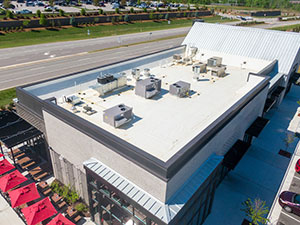
For commercial property owners in Xenia OH, unexpected roof failures can quickly turn into expensive emergencies that disrupt operations and strain budgets. Leaks don’t just damage roofing systems, they can impact inventory, equipment, tenants, and employee safety. This is where roofing management becomes essential. Rather than reacting to problems after they occur, a strategic roof management approach focuses on planning, monitoring, and proactive decision-making to reduce emergency repairs.
In Xenia OH, property owners looking to protect their buildings can turn to A.H. Sturgill Roofing for guidance, call (937) 254-2955 to learn more about proactive roofing solutions.
What Roofing Management Means for Commercial Buildings
Roofing management is more than scheduling repairs when something breaks. It is an organized strategy that tracks roof condition, anticipates risks, and prioritizes maintenance and repairs based on data, not guesswork. For commercial buildings, this approach helps owners understand how their roofing systems are aging and where vulnerabilities are developing.
By maintaining detailed records of roof materials, previous repairs, drainage performance, and weather exposure, roof management creates a clear picture of roof health. This insight allows building owners to address small issues, such as seam separation, flashing wear, or drainage blockages, before they escalate into leaks or structural damage.
The biggest benefit is predictability. Instead of sudden emergency calls after storms or seasonal changes, owners can plan repairs in advance, reducing both stress and unplanned expenses.

How Strategic Roofing Management Reduces Emergency Repairs
Emergency roof repairs are often the result of neglected warning signs. Small cracks, loose components, or minor moisture intrusion rarely fail overnight, they worsen gradually. Roofing management identifies these issues early and assigns them priority before they become urgent.
A managed roofing strategy also accounts for environmental factors. In regions like Xenia OH, temperature swings, heavy rain, snow, and wind all place stress on commercial roofing systems. Roof management adapts maintenance planning around these conditions, ensuring vulnerable areas are reinforced before severe weather hits.
Another key factor is budget control. Emergency repairs typically cost more due to urgency, temporary fixes, and potential interior damage. Roofing management shifts spending from reactive emergency costs to planned maintenance investments, which are almost always more cost-effective in the long run.
The Role of Planning and Documentation in Roofing Management
One often overlooked aspect of roofing management is documentation. Accurate records allow building owners and facility managers to make informed decisions rather than relying on memory or assumptions. Documentation may include roof drawings, material warranties, repair histories, and drainage layouts.
With this information readily available, decision-making becomes faster and more accurate when issues arise. Instead of scrambling to diagnose a problem during an emergency, owners already know what materials are in place and what areas have required attention in the past.
Planning also extends to long-term forecasting. Roof management helps determine when repairs are sufficient and when replacement should be considered, well before a failure forces an emergency decision. This proactive outlook protects both the building and the operating budget.
Why Roofing Management Supports Business Continuity
For commercial building owners, roofing problems are rarely isolated to the roof itself. Leaks can interrupt tenants, halt production, or force temporary closures. Strategic roofing management minimizes these disruptions by addressing risks during scheduled maintenance windows instead of during business hours or peak seasons.
This approach also improves communication. With a roof management plan in place, owners know who to contact, what steps to take, and how issues will be handled, eliminating confusion during stressful situations.
Ultimately, roof management supports continuity by keeping the roof functional, predictable, and aligned with the building’s operational needs.
Expert Roofing Management
For commercial property owners in Xenia OH, roofing management is one of the most effective ways to reduce emergency repairs and protect long-term investments. By shifting focus from reaction to prevention, owners gain control over costs, timelines, and building performance. To explore a proactive roofing management approach tailored to your property, contact A.H. Sturgill Roofing at (937) 254-2955 and take a strategic step toward fewer surprises and stronger roof performance in Xenia OH.
FAQ
What is included in a roofing management plan?
A plan typically includes condition tracking, maintenance planning, repair prioritization, and long-term budgeting insights.
Can roofing management work for multiple commercial properties?
Yes, roofing management is especially helpful for owners or managers overseeing multiple buildings or facilities.
Does roofing management eliminate the need for repairs?
No, but it significantly reduces emergency repairs by addressing issues early and strategically.
Is roofing management only for older roofs?
Not at all, newer roofs benefit from management by preserving warranties and preventing early damage.