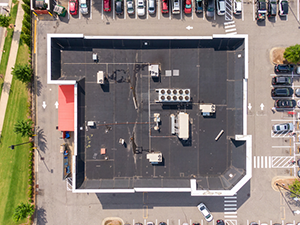
Commercial buildings in Beavercreek, OH experience a wide range of weather conditions throughout the year, from heavy spring rain to snow, ice, and repeated freeze-thaw cycles during winter. These conditions place constant demands on flat roofing systems, making reliable waterproofing one of the most important factors when selecting a commercial roof. EPDM roofing has earned a strong reputation for its ability to create a dependable watertight barrier while maintaining flexibility through changing temperatures.
Call A.H. Sturgill Roofing at (937) 254-2955 for EPDM roofing in Beavercreek, OH.
How EPDM Roofing Creates a Reliable Waterproof Barrier
EPDM is a synthetic rubber membrane commonly used for low-slope commercial roofing systems. EPDM forms a continuous membrane across the roof surface that helps keep water from penetrating the roofing assembly. Its rubber composition naturally resists moisture while maintaining flexibility throughout years of weather exposure.
One of the reasons EPDM performs so well is its ability to accommodate normal building movement. Commercial buildings naturally expand and contract as temperatures rise and fall throughout Ohio’s seasons. A rigid roofing material may develop stress cracks over time, but EPDM remains flexible enough to move with the building while maintaining its watertight seal.
The membrane also performs well under prolonged exposure to rain and snow. Because EPDM is designed to resist moisture absorption, it helps prevent water from working its way into the roofing assembly, even during extended periods of wet weather that commercial buildings in Beavercreek often experience.
The Most Vulnerable Areas on a Flat Roof

Although the roof membrane protects most of the roof surface, certain areas require additional attention because they are naturally more susceptible to water intrusion. Roof penetrations, including HVAC equipment, plumbing vents, skylights, and electrical conduits, interrupt the membrane and create transitions that must be carefully waterproofed. Proper flashing around these features helps maintain the roof’s continuous moisture barrier.
Roof edges and parapet walls also represent common areas where leaks may develop if waterproofing materials begin to deteriorate over time. These transition points experience frequent exposure to wind-driven rain and changing temperatures, making proper installation especially important for long-term performance.
Roof drains are another critical component of any flat roofing system. During heavy rainfall, large volumes of water flow toward these drains. If flashing around the drain becomes damaged or separates from the surrounding membrane, water may enter beneath the roofing system instead of draining safely away. Regular inspections help identify early signs of wear before they develop into larger waterproofing issues.
EPDM Roofing Maintains Its Seal Through Ohio’s Seasonal Changes
Beavercreek experiences wide temperature swings throughout the year, and those changes cause commercial buildings to expand and contract. Roofing systems that cannot accommodate this movement may develop cracks, separated seams, or stressed flashing over time. These small openings can eventually allow water to enter the roofing assembly.
EPDM roofing is well suited for these conditions because of its exceptional flexibility. The rubber membrane has the flexibility to accommodate normal building movement while maintaining a continuous waterproof barrier. This flexibility helps reduce the stress placed on seams, flashing, and roof transitions as temperatures fluctuate between hot summers and freezing winters.
The membrane also performs well during repeated freeze-thaw cycles. Water that remains on a roof can freeze overnight and expand before thawing again during warmer daytime temperatures. Roofing materials that become brittle may develop damage under these conditions, while EPDM’s flexibility helps it accommodate these seasonal temperature changes.
Protect Your Commercial Building with EPDM Roofing
Water intrusion remains one of the leading causes of commercial roof deterioration, making reliable waterproofing essential for long-term building protection. EPDM roofing offers dependable moisture resistance through its continuous membrane, flexible construction, and ability to maintain a watertight seal around vulnerable roof areas. When combined with professional installation and routine inspections, it provides commercial property owners with a durable roofing solution that performs well throughout Beavercreek’s changing climate.
For EPDM roofing in Beavercreek, OH, contact A.H. Sturgill Roofing at (937) 254-2955 today.
FAQ
How does EPDM roofing keep water out of a commercial building?
EPDM roofing uses a continuous synthetic rubber membrane that creates a watertight barrier across the roof surface. Properly installed seams, flashing, and roof penetrations work together to prevent moisture from entering the roofing system.
What makes EPDM a strong choice for flat roofs exposed to heavy rainfall or occasional standing water?
EPDM naturally resists moisture and maintains its flexibility during prolonged wet conditions. Its waterproof membrane helps protect commercial buildings from water intrusion, although proper drainage is still important for managing standing water.
Where do EPDM roofs most commonly develop leaks, and how are they prevented?
The areas most susceptible to leaks include roof penetrations, flashing, roof edges, and drain assemblies because these locations interrupt the main roof surface. Professional installation, quality flashing, and routine inspections help maintain the integrity of these vulnerable areas and reduce the risk of leaks.