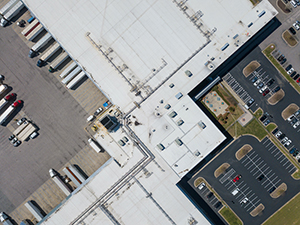
For commercial property owners in Tipp City, OH, installing a new roof on a large building is a major investment that requires careful planning, skilled labor, and experienced project management. A professional commercial roofing company plays a critical role in ensuring the installation is completed safely, efficiently, and with long-term durability in mind.
Companies like A.H. Sturgill Roofing work closely with building owners to manage complex roofing projects from start to finish. If you are planning a large-scale roof installation in Tipp City OH, you can speak with their team at (937) 254-2955 to discuss project requirements and timelines.
How a Commercial Roofing Company Handles Large-Scale Roof Installations
Large commercial roofs differ significantly from residential roofs in terms of size, materials, structural considerations, and installation methods. From warehouses and retail centers to office complexes and manufacturing facilities, these projects require specialized knowledge and coordination to ensure the roofing system performs reliably for decades.
The first step a commercial roofing company takes when handling a large-scale roof installation is a comprehensive assessment of the building. This stage helps determine the most suitable roofing system, identify structural limitations, and plan for installation logistics.
Roofing professionals evaluate several factors, including:
- Structural load capacity of the building
- Existing roof condition (if a replacement is involved)
- Drainage design and slope
- Local weather conditions
- Energy efficiency requirements

For large commercial facilities, planning also includes developing a project schedule that minimizes disruption to business operations. Many installations are carefully phased so that certain sections of the roof can be completed while the building continues to operate normally.
During this stage, roofing specialists also recommend the most appropriate commercial roofing materials. Common options include single-ply membranes such as TPO or EPDM, modified bitumen systems, or built-up roofing. Each system offers different advantages related to durability, cost, insulation performance, and maintenance requirements.
Coordinating Large-Scale Installation Teams
Once planning is complete, a commercial roofing company organizes the workforce and equipment necessary for the installation. Large commercial roofs can span tens of thousands of square feet, which requires coordinated teams of installers, supervisors, and safety personnel.
Project managers play an important role during this phase. They oversee scheduling, monitor safety protocols, and ensure materials arrive on time. For commercial building owners, this level of coordination helps prevent costly delays and keeps the project moving efficiently.
Safety is another major priority during large-scale roof installations. Commercial roofing crews work at significant heights and often handle heavy materials or specialized equipment. Professional companies implement strict safety practices, including:
- Fall protection systems
- Equipment training and certification
- Controlled access to work areas
- Regular safety inspections
These measures protect both workers and building occupants while ensuring compliance with industry regulations.
Installation Process for Commercial Roofing Systems
The installation process itself involves several carefully managed steps. A professional commercial roofing company follows a structured approach to ensure every layer of the roofing system is properly installed.
First, the existing roofing materials may be removed if a full replacement is necessary. In other cases, a new system may be installed over the existing roof if the structure allows it. After preparation, contractors address any structural repairs, insulation upgrades, or moisture issues.
Next comes the installation of insulation boards and vapor barriers, which are critical for energy efficiency and moisture control. For many commercial buildings, improving insulation during roof installation can significantly reduce heating and cooling costs.
The main waterproofing membrane is then installed. Depending on the chosen system, this may involve heat-welded seams, adhesives, or mechanically fastened materials. Professional crews ensure seams are properly sealed, penetrations are reinforced, and drainage components are correctly positioned.
Finally, contractors install flashing around rooftop equipment, skylights, and edges to protect vulnerable areas from water infiltration. A final inspection is conducted to verify that the roof meets manufacturer standards and local building codes.
Quality Control and Long-Term Performance
Quality control is essential for large commercial roofing projects. Experienced contractors perform multiple inspections throughout the installation process to ensure the roofing system is installed according to specifications.
These inspections typically include:
- Seam testing and waterproofing verification
- Drainage checks
- Structural attachment testing
- Surface inspections for defects or damage
By maintaining strict quality standards, a commercial roofing company helps ensure that the finished roof performs reliably under harsh weather conditions, temperature fluctuations, and daily wear.
Reliable Commercial Roofing Company
Large-scale roofing projects require specialized expertise, detailed planning, and experienced installation teams. For commercial property owners in Tipp City OH, working with a professional commercial roofing company ensures that complex installations are handled safely and efficiently. A.H. Sturgill Roofing has the experience needed to manage major roofing projects while prioritizing quality workmanship and long-term durability. If you are planning a commercial roof installation in Tipp City, OH, contact A.H. Sturgill Roofing today at (937) 254-2955 to learn more about how their team approaches large-scale roofing systems.
FAQ
What types of roofing systems are commonly used in large commercial buildings?
Common systems include TPO, EPDM, PVC membranes, modified bitumen, and built-up roofing. The best option depends on the building’s structure, climate conditions, and performance goals.
What factors influence the cost of a commercial roof installation?
Costs depend on roof size, material selection, insulation requirements, structural repairs, accessibility, and labor involved in the installation.